Paris Journal 2011 – Barbara Joy Cooley Home: barbarajoycooley.com
Photos
and thoughts about Paris
Sign
my guestbook. View
my guestbook. 2010 Paris Journal ← Previous Next
→ ← Go
back to the beginning
|
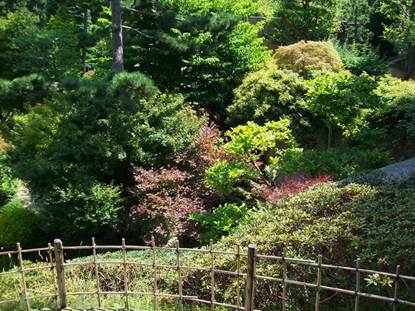
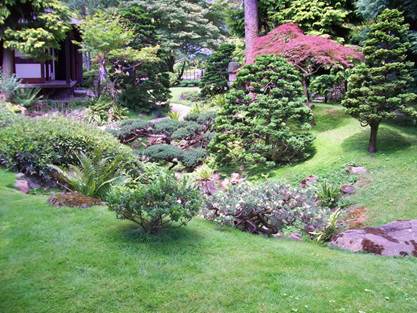
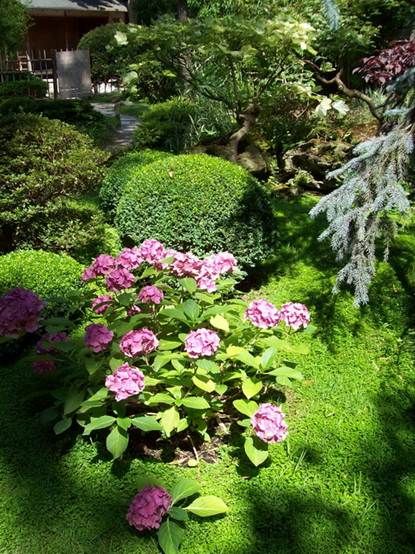
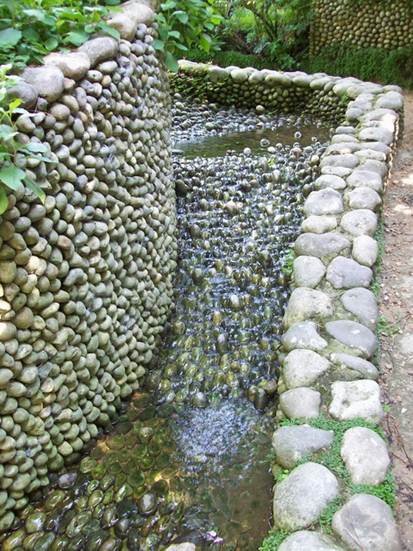
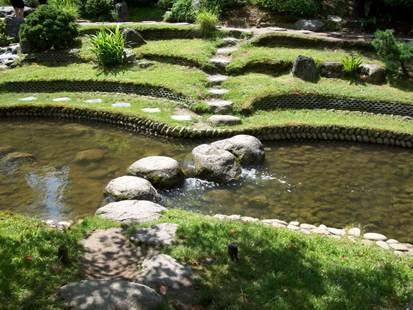
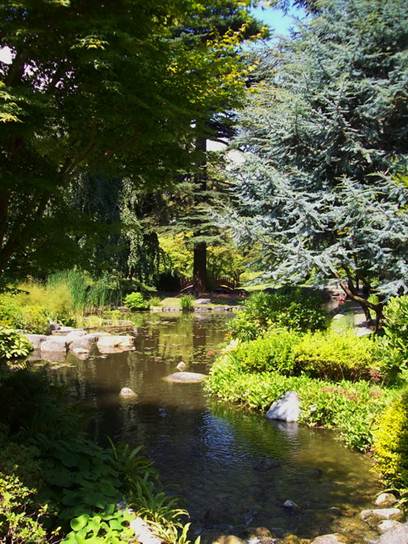
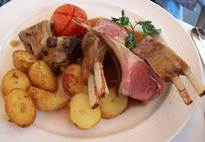
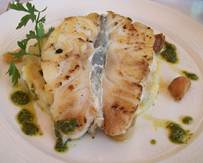
The book that Tom was reading as we were flying to Paris, a collection of essays by C. W. Gusewelle, I just finished reading some days ago. It is about a year that the Gusewelle family spent living “in” Paris in 1985. Having finished it, I went about the task of determining what neighborhood the family lived in while here. It wasn’t in Paris proper; rather, they stayed in an apartment in Boulogne-Billancourt, a suburb just to the west of Paris. When I looked at the neighborhood on the Google map, I noticed a place called the Albert Kahn Museum and Gardens. Curious about why this place was not mentioned in Gusewelle’s A Paris Notebook, I investigated. Here’s what I learned. Albert was born as Abraham Kahn in Alsace in 1860. He changed his name to Albert and came to Paris in 1879, first as an apprentice to a confectionneur. Soon, however, he began studies to become a banker. He made a fortuitous friendship with the brilliant banker, Henri Bergson. By age 21, Albert became known for being able to select good stocks for investment purposes. In particular, he invested in gold and diamond mines in South Africa. He became wealthy enough first to rent, and then to buy a home in Boulogne-Billancourt on the Quai du 4 Septembre in 1893. Piece by piece, he assembled more adjacent parcels. He then had elaborate gardens planted, including an English garden and a Japanese garden. Woods were also part of the greenspace, and of course there was a rose garden and a greenhouse. Kahn (pronounce “can” in French) was friends with people like Auguste Rodin and Mathurin Meheut, so his estate in Boulogne-Billancourt became a gathering place for European intelligentsia. He bought four of Rodin’s marble statues. Kahn established his own bank, the “Banque Kahn,” on the rue de Richilieu in Paris in 1898. The bank prospered. Among his international clients were, notably, the Japanese. Being rich, however, was not enough, Kahn told his friend Bergson. He went on then to consecrate his life and fortune, from 1898 to 1931, to establish “universal peace.” He created numerous institutions dedicated to this goal, including some that fostered understanding of foreign cultures. He even funded and established a chair in human geography at the Sorbonne. To aid civilian victims of World War I, he created the Comité du Secours National. He also established a Center for Preventive Medicine for students. Rich as he was, Kahn lived simply. He was a vegetarian, and he had dogs as pets. I assume the dogs were not vegetarians. He began his days at 5AM. He chose to live alone. As a pianist, he was accomplished enough to play in concerts at the Bayreuth Festival. From 1886 to 1912, Kahn made many international trips. In 1909, Kahn traveled to Japan with a photographer. This started him on a project to make a photographic record of the whole world. He employed other photographers, and the project went along well enough until the economic Crash of 1929. By 1931, only three people were working on the ambitious goal, the “Archive of the Planet.” The project’s world voyages and events stopped. To inject money into his enterprises, Kahn mortgaged his properties in Boulogne-Billancourt and Cap Martin. Nevertheless, in 1932, the Banque Kahn failed. Between 1933 and 1934, Kahn’s goods were seized and sold at auction. Part of his property, including the gardens and the photographic collections, were bought by the Department of the Seine, of which Boulogne-Billancourt is a part. Kahn was allowed to remain in his home on the grounds, although it no longer belonged to him. The gardens were opened to the public in 1937. He died at age 80, in 1940 as the Nazi’s were taking over Paris. On November 14 of that year, Kahn was to be visited by a bailiff who assigned to inventory his belongings. When the bailiff arrived, he found Kahn dead in his bed. A Nazi commandant made Kahn’s former house his headquarters. The grounds underwent restoration and a photography museum was established there in 1986. I suppose that that construction and renovation was taking place and the gardens were closed when the Gusewelle family was living nearby, and so that may be why Gusewelle did not write about this place. The Japanese garden, in particular, was meticulously restored and replanted according to Kahn’s research and plans. The access to the Albert Kahn gardens was so easy for us – we simply took our regular number 10 line of the métro from the Émile Zola station to the end of the line. When we exited the métro, the entrance to the museum was just steps away. The admission was 3 euros for me, and only 1.50 for Tom, because he said to the clerk “je suis tres agée” (I am very old), with a smile. We decided to save the museum for last, so we went directly out into the gardens. The Japanese garden is the best I’ve ever seen, and I’ve seen some good ones. According to the “frequentation” chart posted near the gate to the Kahn property, we somehow picked the best time to visit – Friday, early afternoon. The weather was perfect, so of course people were in the park, but it was not too crowded, considering how densely populated Boulogne-Billancourt is, and how close the park is to Paris. We enjoyed the gardens enormously. We did inspect the photography museum, and it was interesting. But the gardens are what is truly impressive about this site. After our visit, we went to the Brasserie Jean Baptiste, which I’d vaguely learned about during my research on Kahn. It also turned out to be an excellent choice of places to go. We made this late lunch our main meal of the day. Tom ordered the lamb chop special, and I had my fish, a cod filet cooked to perfection and served atop buttery puréed potatoes. I’ve always liked the combination of fish, butter and potatoes. These main courses were accompanied by some roasted leeks, garlic, and tomatoes, provançale style. We dined with the locals outdoors on the terrace, and thoroughly enjoyed the great food and service. Truly fortified, we decided to walk all the way home. It was a very long trek. We found our way back into Paris and rested only briefly in the modern Sainte Jeanne de Chantal church. When we realized that a funeral was going on in the far end of the sanctuary, we left. We strolled along the avenue Versailles until we reached the boulevard Exelmans which took us to the Pont Garigliano. Then very soon we were in the western part of the Parc André Citroën, and we made our way home through the 15th, stopping only once at a tea room to have refreshments on the terrace, on the pedestrian street called Lefebvre. Well, I guess we did stop again, to buy the day’s issue of Le Parisien in the news shop inside the great Zola Color hardware store. Somehow, we arrived home in time to see the end of the day’s stage of the Tour de France, in the Pyrenees. The Frenchman Thomas Voeckler managed to keep the yellow jersey, but Norwegian Hushovd won the stage. Tom walked down the street to buy some groceries at Dia, which formerly was Ed (for Épicerie Discount, or discount grocery). Both Dia and Ed are owned by Carrefour, but we preferred Ed. The prices were better. Late in the evening, we sat on the balcony and had a snack. Then I pulled my computer over to the open French doors, showed Tom the photos of my family using our house in Florida. After that, I put in the earbuds to listen to the recording of my dad’s memorial service, thoughtfully posted on my nephew’s web site. I sang along with the hymns and listened to my niece read the piece I wrote for the service. All the while, the setting sun shone brightly in my face, and the gentle breezes hosted cheerful swallows as they played in circles around our building. Dad is here. He’s everywhere I go as I remember him. He encourages me to continue this journal. Sign
my guestbook. View
my guestbook. Note: For addresses & phone numbers of
restaurants in this journal, click
here. |
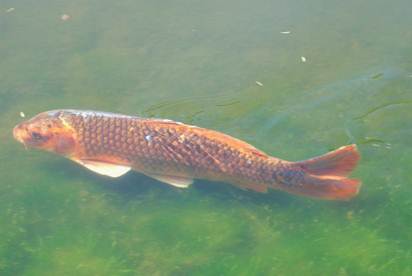
Saturday, July 16, 2011 Scenes from the Albert Kahn Gardens
Lunch at the Brasserie
Jean Baptiste in
Boulogne-Billancourt, on the Rond-point Rhin et Danube. |